
[[bpstrwcotob]]
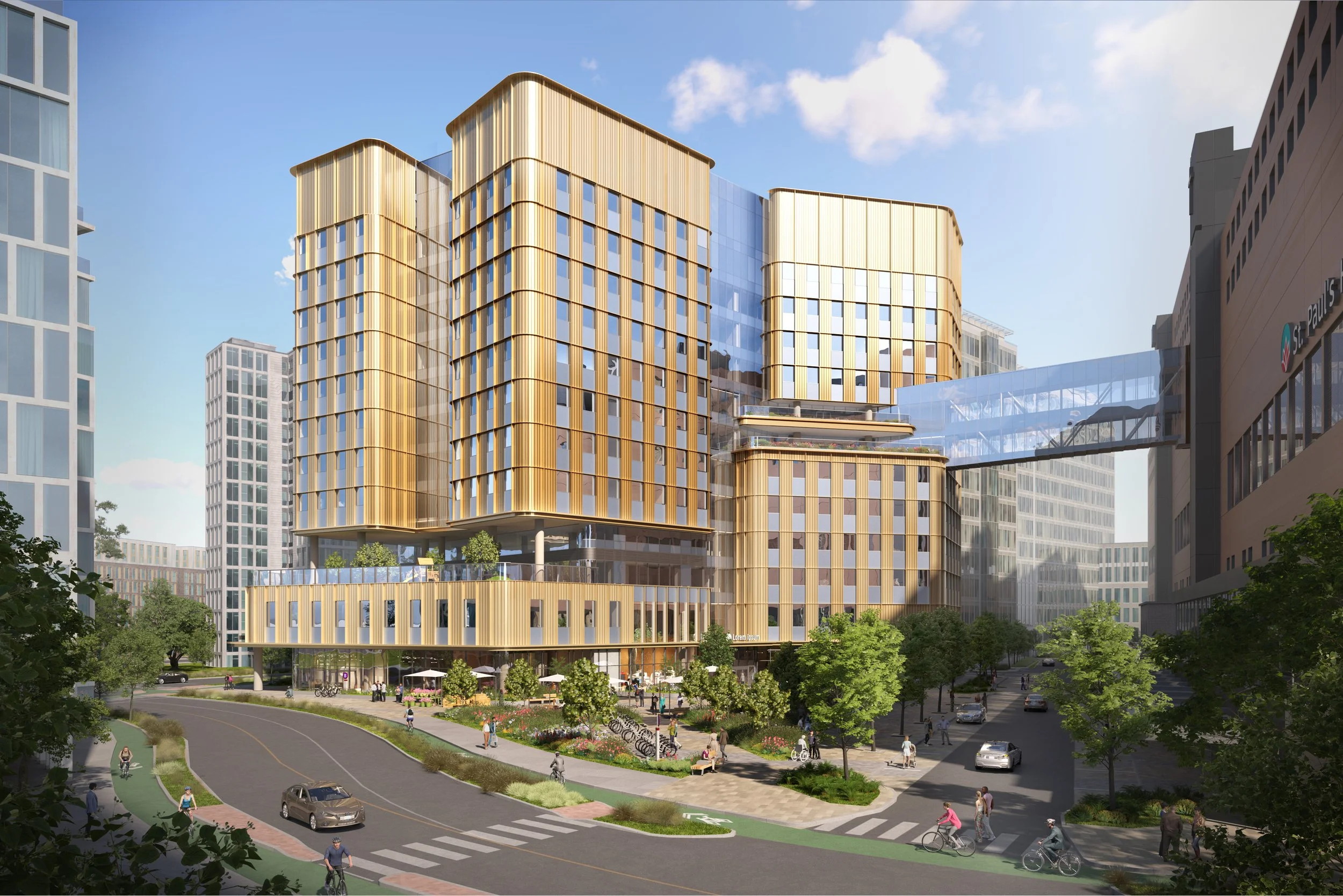
Bumping Into Breakthroughs
Tall research buildings tend to fragment collaboration, so successful “vertical campuses” must intentionally design circulation, shared spaces, and social hubs that encourage frequent cross-disciplinary encounters and conversations across floors

From Residence to Research: Adaptive Reuse Lessons at Mount Sinai
The transformation of Mount Sinai’s 60-year-old nurse residence into a cutting-edge Center for Artificial Intelligence and Human Health highlights the challenges of adaptive reuse—tight floor heights, structural limits, and code compliance—and offers key lessons in due diligence, infrastructure replacement, and creative problem-solving for future lab projects
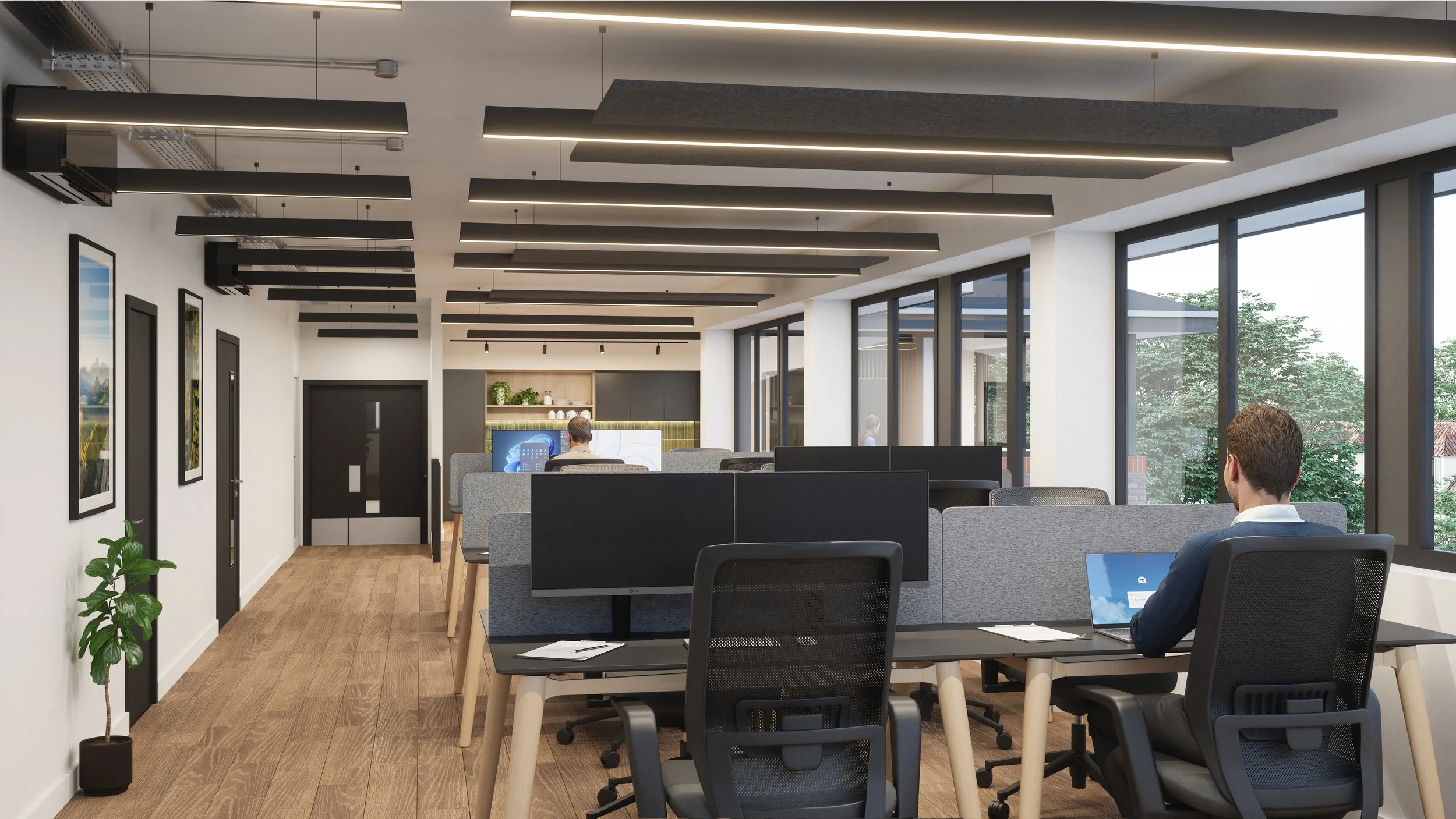
Developing Flexible and Affordable Lab Space for Small Businesses
Designing labs for start-ups requires creating open, flexible, and people-centered spaces—integrating public-facing design, shared amenities, and adaptable infrastructure to support both current collaboration and future shifts in AI, robotics, and global operations
Alternate Models for Bioscience Research Facilities: Making the Case for Urban Integration
As urban land grows scarcer, bioscience is shifting away from suburban campuses toward integrated urban labs that leverage adaptive reuse, sustainability, financial innovation, and community engagement to create vibrant, flexible research environments that benefit cities and science alike