
Join us for
the 25th annual Lab Design Conference in 2026!
We’ll see you in Orlando on May 11-14 at the leading business conference
for lab design professionals to learn about sustainable design, industry trends, and more
Featured
Overhead plug-in busway systems enable more flexible, scalable laboratory design by replacing fixed conduit-based wiring with repositionable, continuous power access that reduces renovation disruption, improves efficiency, and supports evolving lab layouts over time
The 25th annual Lab Design Conference, taking place May 11-14 in Orlando, brings together end users planning lab projects and the design and project teams who serve them for AIA-accredited sessions and networking focused on collaboration, connection, and advancing lab design
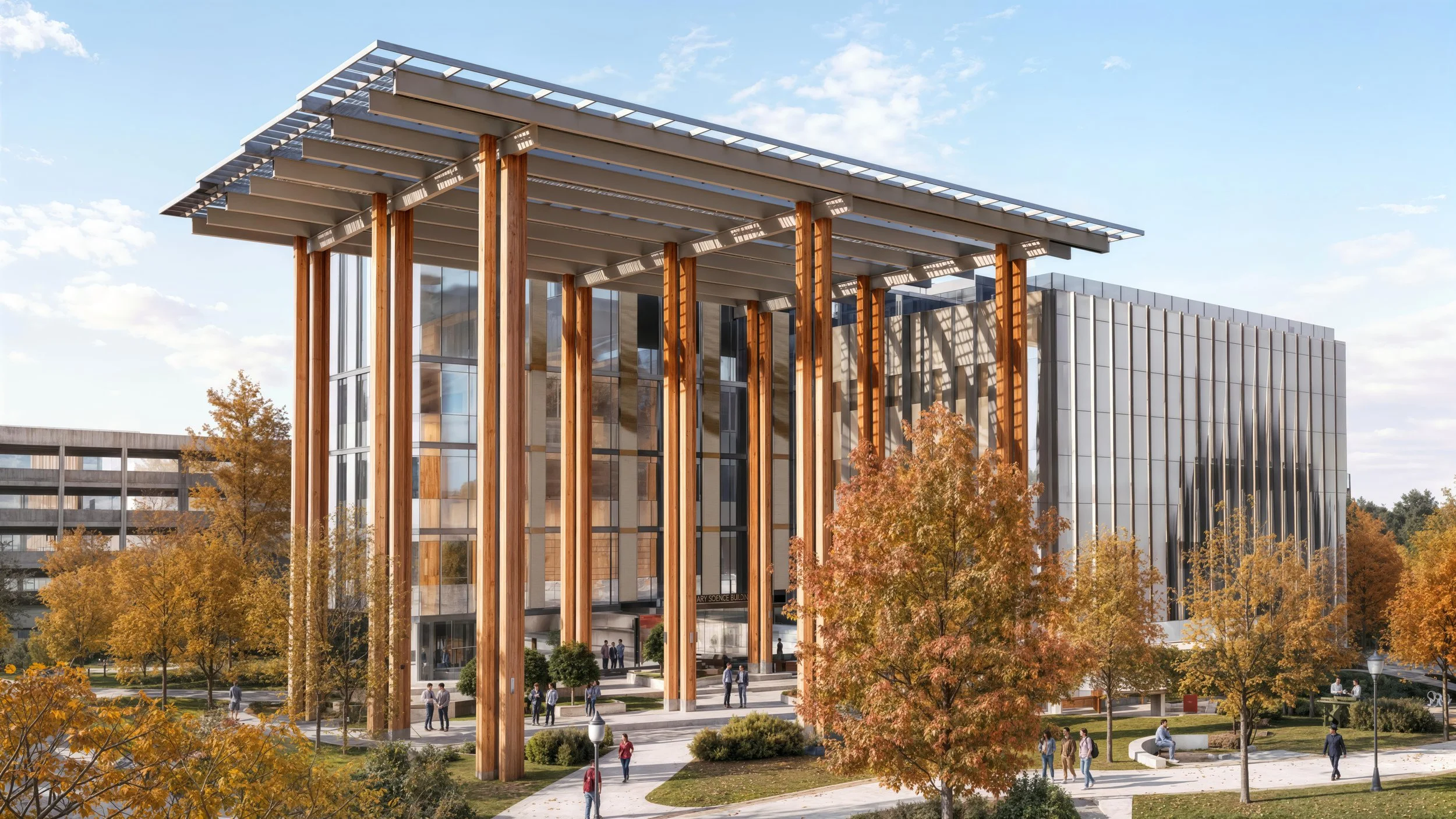
Universities are increasingly partnering with architects to design highly customized labs—often within aging buildings—to attract top-tier researchers, translating complex scientific needs into flexible, future-ready spaces that support cutting-edge discovery
Latest
The Connecticut Agricultural Experiment Station’s Valley Laboratory is undergoing a major renovation and expansion that will modernize aging infrastructure, add new laboratory and greenhouse space, improve energy efficiency and working conditions, and enhance research capacity to better support farmers, municipalities, and residents
Whether you’ve already secured your spot or are ready to sign up today, the 2026 Lab Design Conference is your gateway to cutting-edge innovation, expert guidance, and world-class networking in the heart of Orlando
Laboratories are increasingly being designed as flexible, long-term assets using “long life, loose fit” principles—emphasizing modular layouts, shared resources, and adaptable infrastructure—to accommodate evolving research needs and multi-tenant use
Upcoming Events
Now you can register to all upcoming 2026 Lab Design Digital Conferences in one click! Fill out one simple form and enjoy access to all digital conferences for free for the whole year
This webinar explores how flexible and scalable laboratory design strategies—such as modular systems, shared core spaces, and thoughtful storage planning—can improve operational efficiency while enhancing safety, comfort, and long-term adaptability in response to evolving research needs and constrained resources
Join Lab Design and our experts for this free digital conference where industry leaders will explore how emerging digital technologies are reshaping every stage of lab planning and design—improving accuracy, strengthening collaboration, and helping teams deliver high-performing spaces that meet the complex needs of modern science
On-Demand Events
Register for this free webinar from Lab Design and Lab Manager to gain insight into how lab managers evaluate and influence purchasing decisions across laboratory environments
Register for this free webinar to learn more about the Lab Design Conference, where you can connect with lab end users and industry peers and earn valuable AIA/HSW credits—tune in for exclusive discount codes for your conference ticket
Register for this free Lab Design webinar to learn best practices and real-world strategies for safely renovating occupied laboratories while protecting research, minimizing disruption, and maintaining operational continuity
Project Profiles
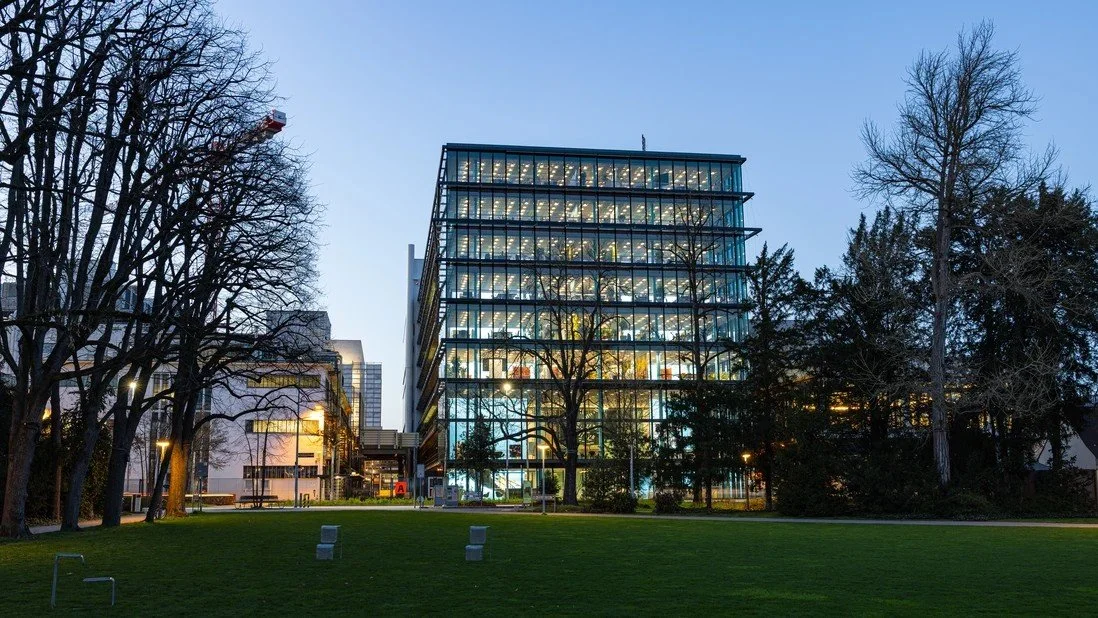
Roche’s new Institute of Human Biology Building 92 in Basel is a highly flexible research facility designed to accelerate drug discovery by enabling advanced human-relevant model systems—such as organoids, organ-on-chip technologies, and computational biology—within an integrated, collaborative, and future-ready laboratory environment
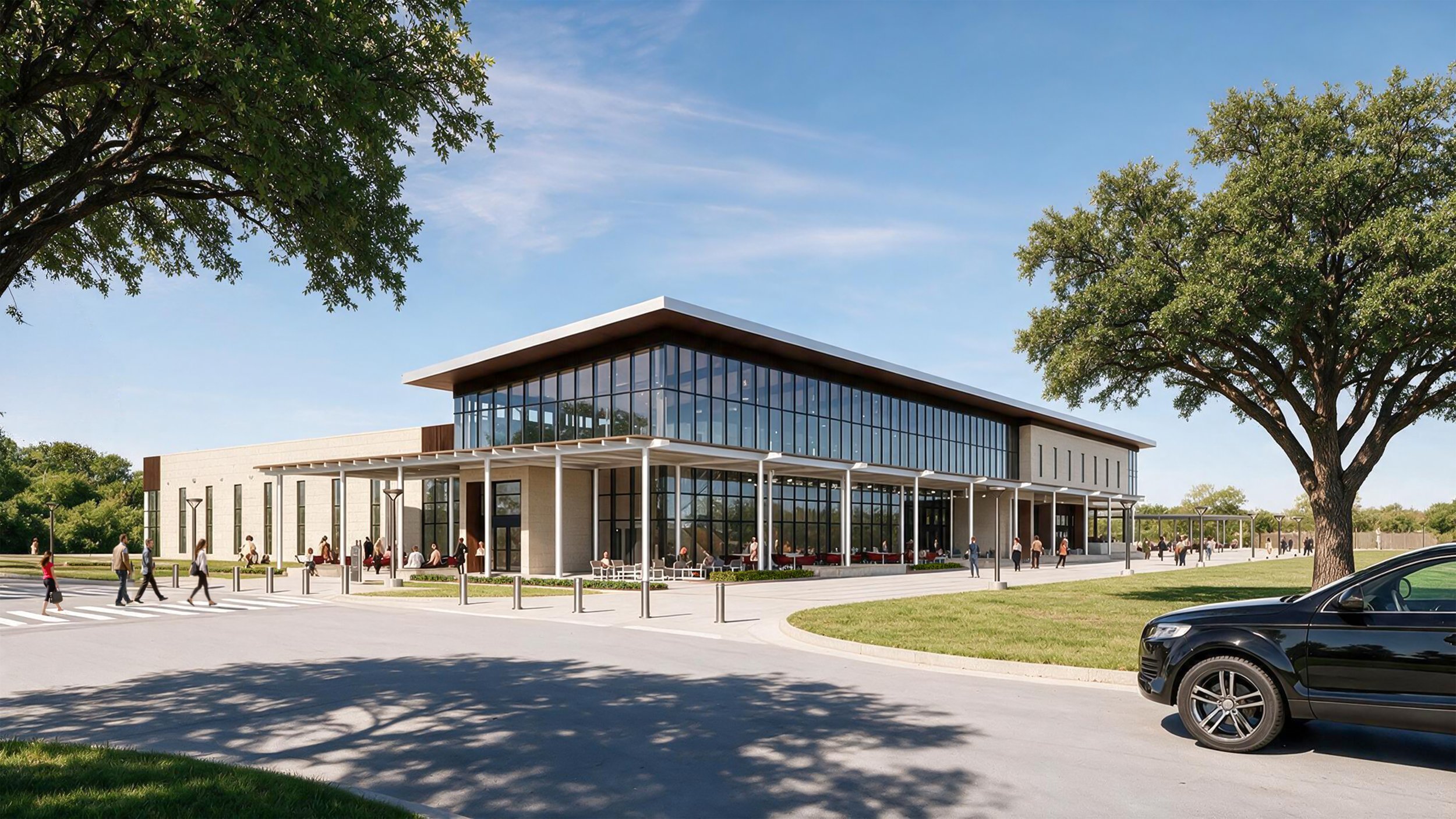
MBI’s Pilot Biomanufacturing Center in Worcester, MA is a highly utilized, purpose-built expansion that bridges the gap between lab-scale R&D and early manufacturing, enabling life science startups to scale efficiently within a single integrated ecosystem while avoiding the cost and disruption of premature relocation
Berry College’s Morgan-Bailey Hall supports the Nursing and Physician Associate Programs with flexible wet labs, high-fidelity simulation spaces, and student housing, all centered around a courtyard and timber porch to foster interdisciplinary learning, collaboration, and wellness
Professional Profiles
Ivan Ross of HERA Laboratory Planners discusses his path into laboratory architecture, emphasizing the role of user-centered design, adaptability, and emerging technologies like AI in shaping efficient, future-ready lab environments
Senior project architect Tad Costerison of Taylor Design discusses how curiosity, empathy, and close collaboration with scientists shape effective laboratory design, while highlighting emerging trends like automation and the growing need for flexible, human-centered research environments
Alison Farmer’s session at the Lab Design Conference will equip lab end users and project teams with practical, data-driven strategies to identify and implement energy efficiency upgrades in laboratories, helping reduce both upfront design effort and long-term operating costs
Op-Ed
As 2025 ends, the JEDI series reflects on its evolution from focusing on design concepts to highlighting the experiences and priorities of lab leaders—in 2026 it will formally stand for Justice, Endurance, Design, and Impact
To support the vital work of recovering, identifying, and honoring the remains of missing servicemembers through advanced DNA analysis, forensic laboratories must be purpose-built to enable the precise, contamination-free processing of ancient and mitochondrial DNA—making thoughtful lab design an essential foundation for reuniting families with those lost to war
Dr. Shamika Kelley is transforming New Orleans' forensic lab not only through empathetic leadership and wellness-focused culture, but by directly influencing the physical lab space—expanding staff capacity, bringing DNA analysis in-house with advanced equipment, and ensuring the layout supports both operational excellence and human-centered design